June 1, 2026
Choosing the right roofing contractor can make a major difference in the outcome of your roofing project. A roof protects your home, affects energy performance, and contributes to curb appeal, so it is worth taking time to ask detailed questions before work begins. The right questions can help you compare experience, pricing, timelines, materials, safety standards, and post-installation support.
Before signing a contract, homeowners should feel comfortable asking how the work will be handled from start to finish. Clear answers can reveal how organized, transparent, and prepared a contractor is. This guide covers the most important questions to ask so you can make a confident decision and avoid preventable problems during your roofing project.
1. Contractor’s Experience and Credentials
1.1. How Many Years Have You Been in Business?
The number of years a contractor has been in business can tell you a lot about reliability and experience. A seasoned roofing contractor has likely handled many roof types, weather-related problems, installation challenges, and customer needs. Longevity can also suggest that the contractor has built a stable reputation in the area. Ask how long the company has operated under its current name and ownership, and ask about similar projects they have completed. Experience is not just about time in business. It is also about the range, quality, and consistency of completed work.
1.2. Can You Provide References From Past Clients?
References give you a better look at how a contractor performs after the estimate is signed. Ask for recent clients who had similar work completed. When contacting references, ask about communication, workmanship, cleanliness, punctuality, and how the contractor handled any concerns. Online reviews can also be useful, but direct conversations with past clients often provide more detail. A contractor with a strong record should be willing to share references, photos, or examples of completed roofing projects.
1.3. What Specific Roofing Services Do You Offer?
Not every contractor provides the same services. Some focus on roof replacements, while others handle repairs, inspections, maintenance, flat roofing, metal roofing, asphalt shingles, or storm damage work. A roofing contractor should be able to explain which services they offer and whether those services fit your needs. This question can also help you learn whether the contractor uses in-house crews or subcontractors. Understanding who will complete the work gives you a clearer picture of quality control and accountability throughout the project.
2. Project Timeline and Management
2.1. What Is the Estimated Timeline for My Roofing Project?
A realistic timeline helps you plan around the roofing work. Ask when materials will be ordered, when the crew is expected to arrive, how long the installation should take, and when cleanup will happen. A roofing contractor should also explain factors that may affect scheduling. Weather, material availability, permit timing, and project size can all influence the timeline. While no contractor can control every delay, clear communication makes the process easier to manage.
2.2. How Do You Handle Project Delays or Weather Disruptions?
Weather is one of the most common causes of roofing delays. Ask how the contractor monitors forecasts and protects exposed areas if storms interrupt work. Proper planning is especially important when old roofing materials have already been removed. You should also ask how updates will be shared if the schedule changes. A contractor with a clear weather plan can reduce stress and help protect your home during unexpected interruptions.
2.3. Who Will Be My Main Point of Contact During the Project?
Strong communication can prevent many project problems. Ask who you should contact with questions and who will provide daily or milestone updates. The contact may be the owner, estimator, project manager, or site supervisor. Knowing the right person to reach saves time and reduces confusion. You should also ask how quickly you can expect responses and whether updates will be provided by phone, text, email, or in person.
2.4. How Will You Protect My Property During Roofing Work?
Roofing work can affect driveways, landscaping, siding, gutters, decks, and outdoor furniture. Ask how the crew will protect your property before, during, and after installation. Common steps include tarps, plywood barriers, debris control, magnetic nail cleanup, and careful material staging. A responsible roofing contractor should explain how cleanup is handled and what precautions are taken around children, pets, vehicles, and landscaping. Property protection should be part of the project plan, not an afterthought.
2.5. How Often Will You Provide Updates on Progress?
Regular updates help you understand how the project is moving along. Ask whether the contractor provides daily updates, milestone updates, photos, or final documentation. This is especially helpful for larger projects or jobs that reveal hidden issues. Communication should include progress, delays, discoveries, and completion details. When expectations are clear from the start, the project is more likely to run smoothly.
3. Materials and Installation Practices
3.1. What Types of Roofing Materials Do You Recommend?
Material choice affects durability, appearance, maintenance, warranty coverage, and cost. A roofing contractor can explain which materials work best for your home, climate, slope, budget, and style preferences. Ask about asphalt shingles, metal roofing, flat roofing systems, underlayment, flashing, ventilation products, and warranty options. The contractor should explain the pros and cons of each recommendation so you can make an informed choice.
3.2. Can You Explain Your Installation Process?
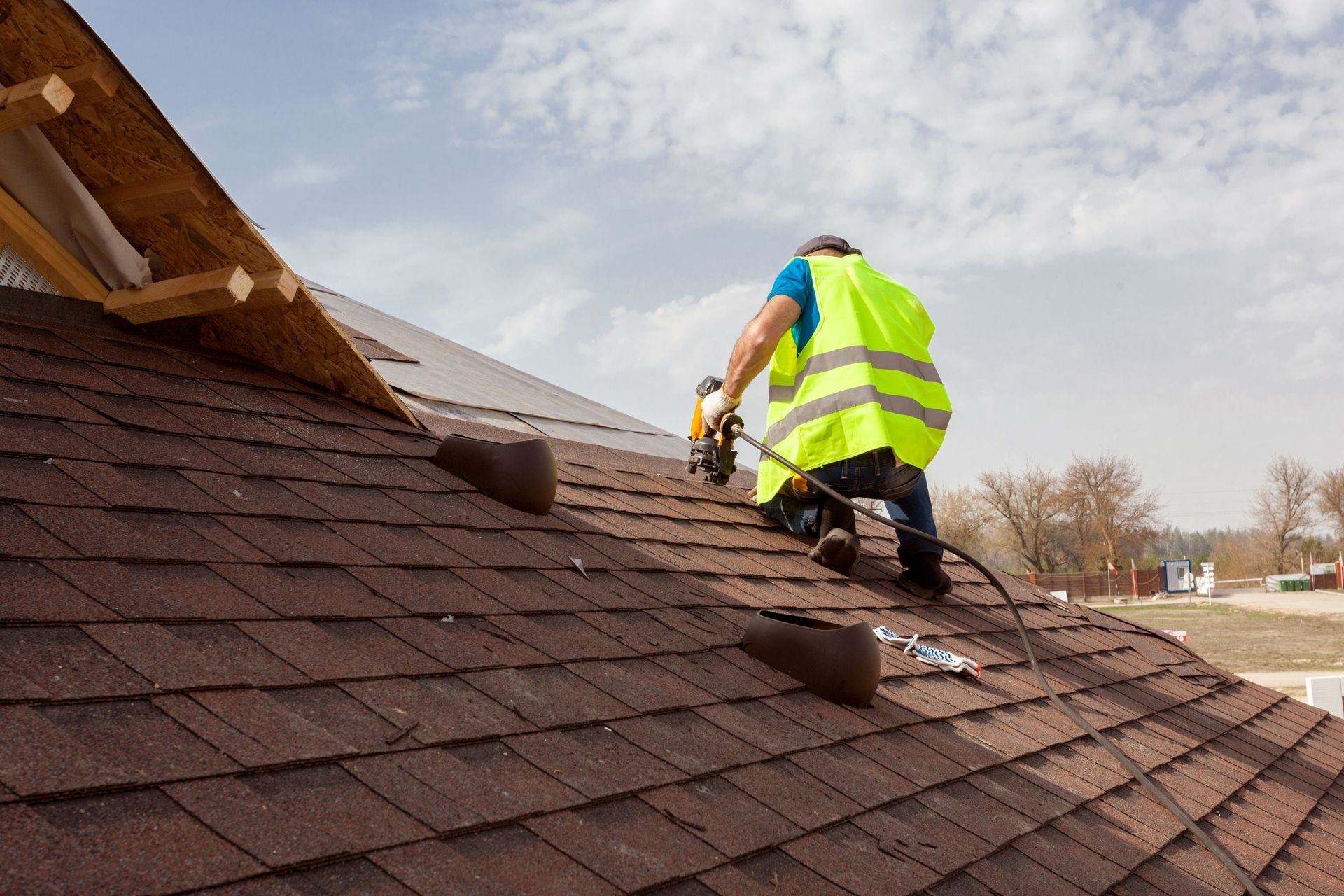
A clear installation process helps you understand what will happen once work begins. Ask about tear-off, deck inspection, underlayment, flashing, ventilation, material installation, cleanup, and final inspection. The contractor should also explain how quality is checked during the job. A detailed process shows organization and helps you compare one contractor’s approach with another’s.
3.3. Do You Offer Any Warranties on Materials and Workmanship?
Roofing warranties can cover materials, workmanship, or both. Material warranties usually come from the manufacturer, while workmanship warranties come from the contractor. A roofing contractor should explain what each warranty covers, how long it lasts, and what may void it. Ask whether maintenance is required to keep warranty coverage valid. You should also request warranty details in writing before the project begins.
3.4. How Do You Maintain Quality Control During Installation?
Quality control should happen throughout the project, not only at the end. Ask who supervises the crew, how installation standards are checked, and whether photos or inspection notes are provided. Good quality control can help catch issues before they become bigger problems. It also shows that the contractor takes workmanship, safety, and long-term roof performance seriously.
3.5. Can You Provide Examples of Completed Projects With Similar Materials?
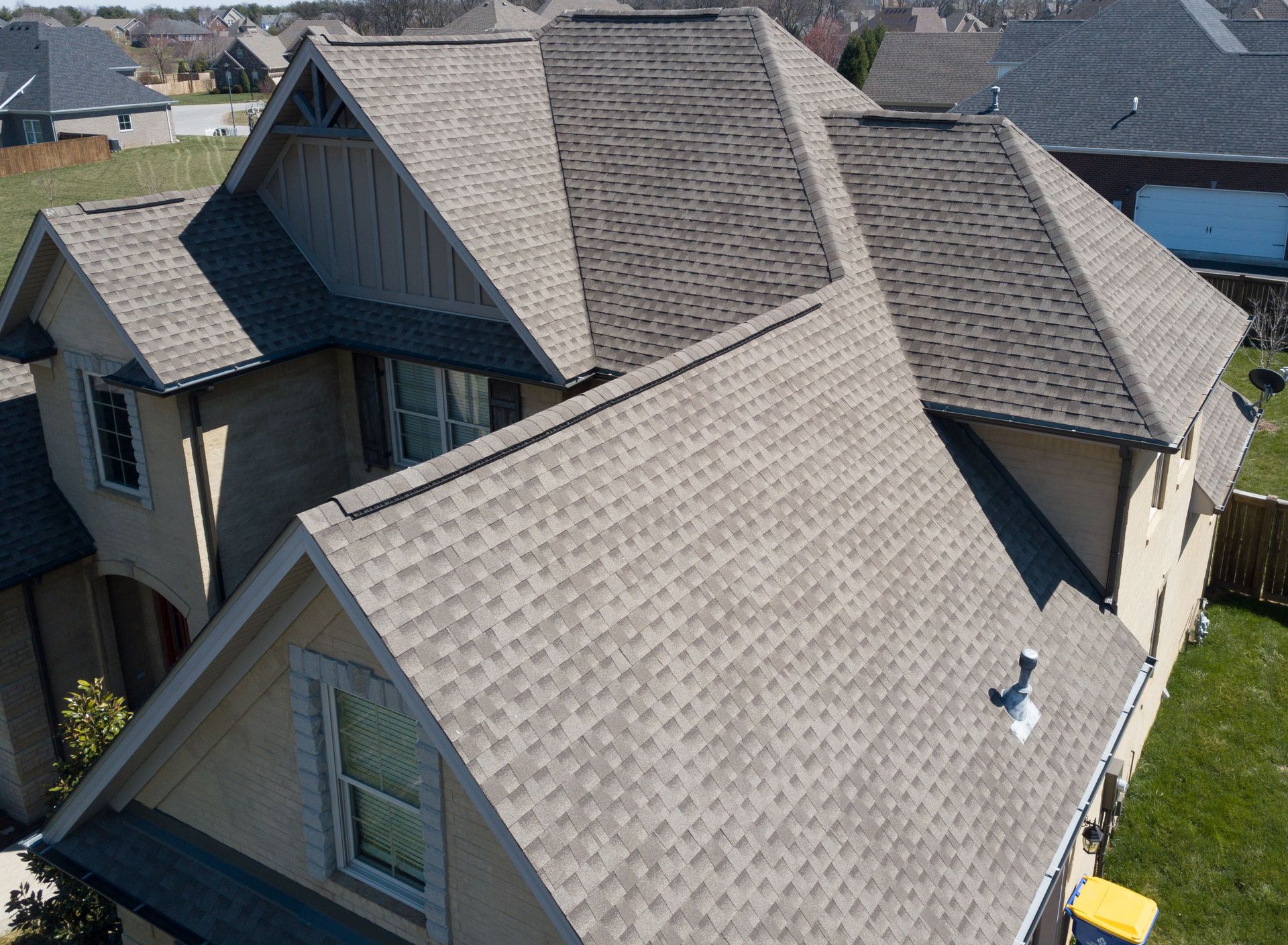
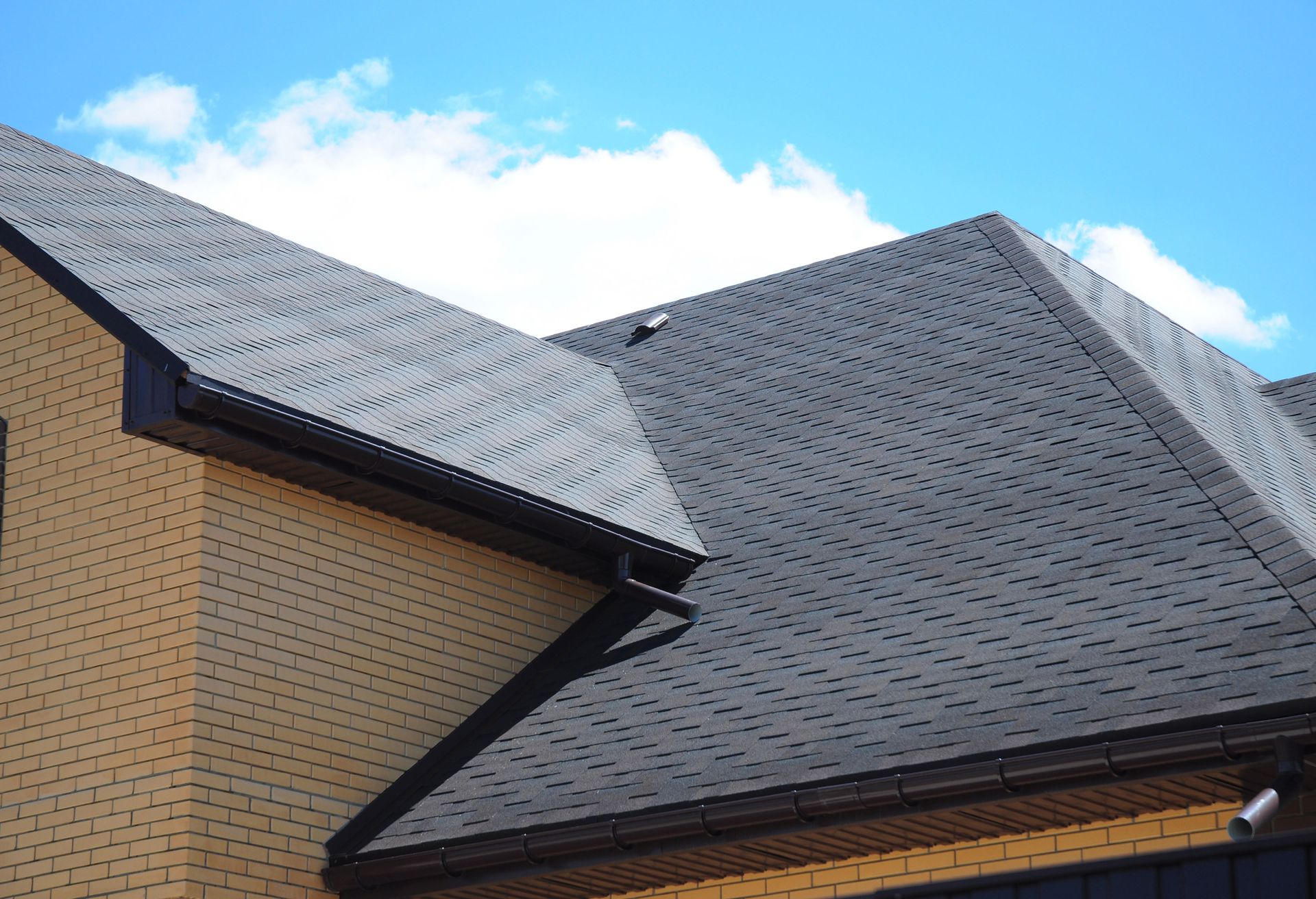
Photos of completed projects can help you visualize how specific materials may look on your home. Ask to see examples of similar roof styles, colors, slopes, and material types. Past projects can also show the contractor’s attention to detail. If possible, ask about projects completed several years ago so you can learn how the work has held up over time.
4. Post-Installation Support and Maintenance
4.1. Do You Offer Post-Installation Maintenance Services?
Post-installation maintenance can help extend the life of your roof. According to the National Roofing Contractors Association, 73% of roofing service companies offer maintenance programs to extend roof lifespan. Ask whether maintenance packages are available and what they include. A roofing contractor may recommend regular inspections, gutter checks, flashing reviews, debris removal, and minor repairs. Maintenance can help identify small issues before they become expensive problems.
Hiring the right
roofing contractor starts with asking the right questions. Before choosing a company, discuss experience, licensing, insurance, references, pricing, materials, timelines, safety practices, warranties, and maintenance support. Clear answers can help you compare options and avoid costly surprises. A well-planned roofing project protects your home, supports long-term value, and gives you greater confidence in the finished result. Contact Smart Choice Contracting today to learn more about how we can help.